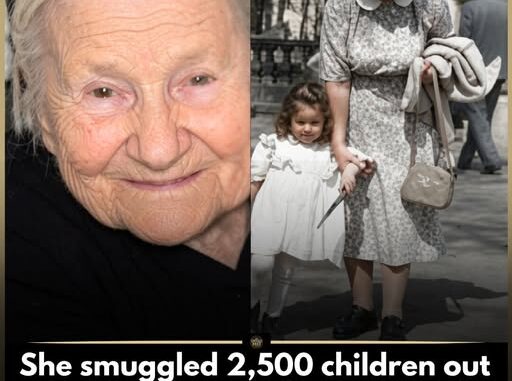
Irena Sendler knew exactly what happened to children who stayed behind. That was why she kept going back. Warsaw, Poland. World War II. Behind the walls of the Warsaw Ghetto, hundreds of thousands of Jews were trapped. Disease spread. Food disappeared. Families lived under constant fear. And children faced the worst future of all. Most people saw the walls and felt helpless. Irena Sendler saw children who still had a chance. She was a social worker. Not a soldier. Not a politician. Not someone with power. But she had something else. Courage. Using her position, Irena entered the ghetto again and again. Each visit carried enormous risk. If discovered, she could be executed. She went anyway. Again. And again. And again. She helped smuggle children out through any method available. Ambulances. Toolboxes. Sacks. Hidden compartments. Secret routes. Anything that could get a child past the guards. Parents faced impossible choices. Many knew they might never see their sons or daughters again. Yet they handed them over. Because staying meant almost certain d*ath. Irena promised something few others could. Hope. As children were rescued, she carefully recorded their real names and family information. Then she placed the records inside glass jars. Those jars were buried underground. She believed that one day families might be reunited. Then the Nazis discovered her activities. She was arrested. Interrogated. Tortured. Her captors demanded names. Addresses. Locations. Anything that would expose the children. She gave them nothing. Not one name. Not one child. Not one family. Despite severe torture, the network survived. The children survived. The names stayed hidden. By the end of the war, approximately 2,500 children had escaped because of her efforts. Many grew up. Had families. Built lives. Raised children of their own. Today, entire generations exist because one woman refused to betray them. Irena Sendler did not carry a weapon. She carried names. Protected them with her silence. And saved thousands of futures. Story based on historical records. This post is for educational purposes.