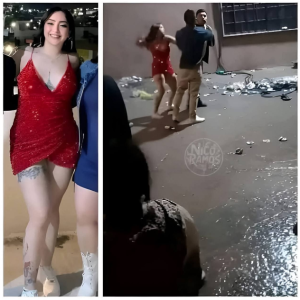
The small neighborhood of Riverside was shaken by grief after news spread about the tragic death of Lena Morales, a twenty-four-year-old woman remembered by friends and family as kind, hardworking, and full of dreams for the future.
For many residents, the story felt impossible to process.
Just days earlier, Lena had been posting cheerful photos online from her cousin’s birthday gathering. In one picture, she smiled brightly while holding a slice of cake, surrounded by friends laughing late into the evening. Nothing about the images hinted at the tragedy that would soon devastate everyone who knew her.
According to relatives, Lena had always been the kind of person who cared deeply for others. She worked long shifts at a local café while studying part-time in hopes of becoming a nurse someday. Her mother often described her as “the light of the family,” someone who tried to bring peace even during difficult times.
But behind closed doors, those closest to her later admitted that Lena had been struggling emotionally for months because of problems in a turbulent relationship.
Friends said she often tried to hide her pain.
“She didn’t want people worrying about her,” one longtime friend explained during a candlelight vigil. “She always believed things would eventually get better.”
Neighbors occasionally overheard loud arguments coming from the apartment Lena shared with her boyfriend, Marcus Hill. Yet few imagined the situation would end in unimaginable violence.
Authorities later revealed that officers were called to the apartment complex shortly after midnight following reports of screaming and sounds of a violent confrontation. When emergency responders arrived, they found Lena critically injured inside the residence.
Despite desperate efforts by paramedics, she was pronounced dead shortly afterward at a nearby hospital.
News of the tragedy spread rapidly across social media, where thousands of people shared emotional tributes, photographs, and messages expressing heartbreak over the young woman’s death. Friends changed their profile pictures to candles and black ribbons while local residents organized memorials filled with flowers, balloons, and handwritten notes.
One message left near the apartment building simply read:
“You deserved so much better.”
Investigators soon arrested Marcus Hill in connection with the incident. Authorities stated that the couple had reportedly experienced repeated relationship conflicts leading up to the tragedy, though many details remained under investigation.
For Lena’s family, however, legal proceedings meant little compared to the unbearable reality of their loss.
Her younger sister struggled to speak during a community gathering held days later.
“She always protected everyone else,” she whispered through tears. “I just wish someone could have protected her.”
The tragedy sparked wider conversations throughout the community about domestic violence, emotional abuse, and the warning signs many people overlook until it is too late.
Advocates explained that abusive relationships rarely begin with physical violence. Often, they start with manipulation, jealousy, isolation, controlling behavior, or emotional intimidation that gradually intensifies over time. Victims may feel trapped by fear, financial dependence, emotional attachment, or hope that the situation will improve.
Experts also emphasized that many victims hide their struggles from loved ones due to shame, fear of judgment, or concern about making situations worse.
During interviews with local media, several of Lena’s friends admitted they now recognized signs they had not fully understood before.
“She stopped going out as much,” one friend recalled. “She would cancel plans suddenly or say everything was fine even when she looked exhausted.”
Another described how Lena sometimes appeared anxious whenever her phone rang during social gatherings.
Community leaders used the tragedy as an opportunity to encourage more open conversations about relationship safety and mental health support. Local organizations began distributing hotline numbers, counseling resources, and information about recognizing abusive patterns before situations escalate dangerously.
At a memorial service held in a nearby park, hundreds of people gathered carrying white candles beneath the evening sky. Some cried openly while others stood silently listening to emotional speeches from family members and advocates.
Lena’s mother addressed the crowd with trembling hands.
“My daughter was more than a headline,” she said softly. “She was a human being with dreams, fears, kindness, and a future that should still be here.”
The crowd remained silent as tears rolled down countless faces.
In the weeks following the tragedy, murals and memorials honoring Lena appeared across the neighborhood. Her coworkers dedicated a corner of the café to her memory, placing framed photographs beside flowers customers refreshed daily.
Though grief continued weighing heavily on the community, many hoped her story might encourage others experiencing dangerous relationships to seek help before violence occurs.
Domestic violence counselors repeatedly stressed one important message after the tragedy: warning signs should never be ignored simply because someone hopes love alone will fix the situation.
Real love, experts explained, should never involve fear, intimidation, or harm.
As months passed, Lena’s family continued advocating for awareness programs in schools and community centers, hoping future tragedies could be prevented through education and support.
Even now, people in Riverside still remember the young woman whose smile once brightened every room she entered.
Not because of the tragedy itself, but because her life mattered far beyond the heartbreaking headlines that followed her death