Media icon Oprah Winfrey is opening up once again about the painful realities of her early years, offering a deeply personal look at how childhood trauma shaped her life long before she became one of the most influential figures in the world.
In recent reflections tied to her book, What Happened to You?: Conversations on Trauma, Resilience, and Healing, Winfrey shared new details about the abuse she endured growing up—experiences she says left emotional scars that took decades to confront.
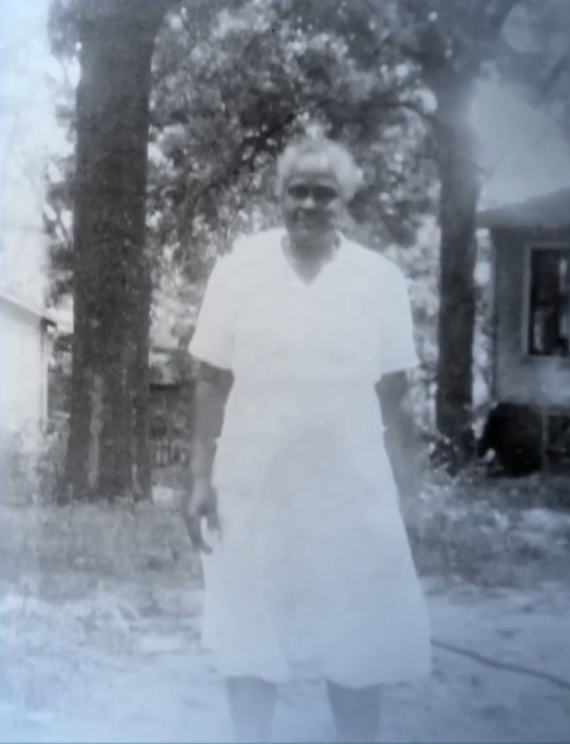
Long before the fame, fortune, and global recognition, Winfrey’s early life was marked by instability and hardship. Raised during her first years in rural Mississippi, she lived with her grandmother, who she recalls used harsh physical punishment as discipline. According to Winfrey, these punishments were frequent and often triggered by minor childhood mistakes.
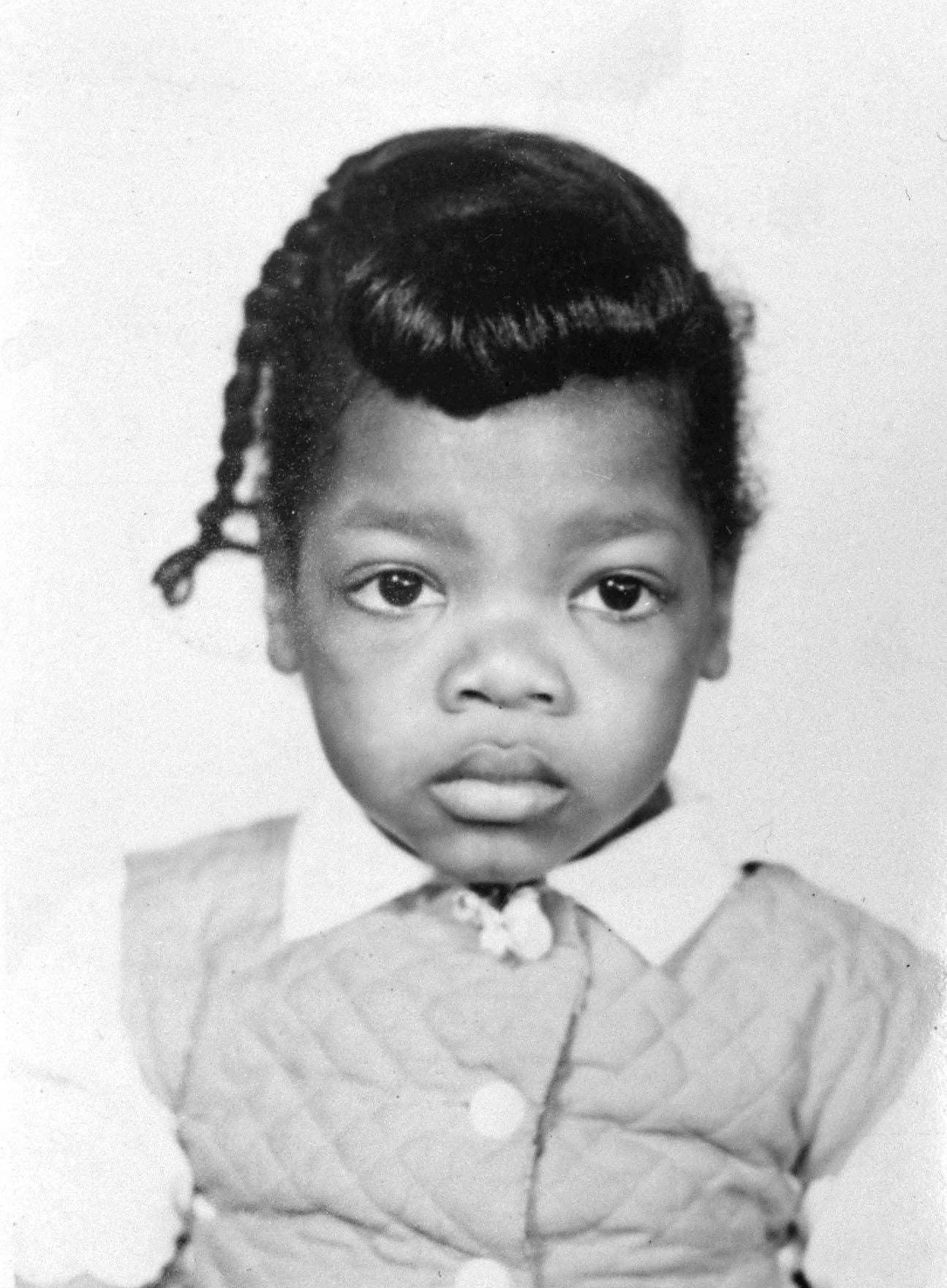
Even as a very young child, she said she instinctively knew something was wrong. Small accidents—like spilling water or making noise—could result in severe consequences. The environment, she explained, was one where children were expected to remain silent and obedient at all times.
The impact didn’t end in childhood.
Winfrey revealed that being forced to endure pain while suppressing her emotions contributed to patterns she carried into adulthood. She described becoming someone who constantly sought approval from others, struggling to establish personal boundaries for much of her life.
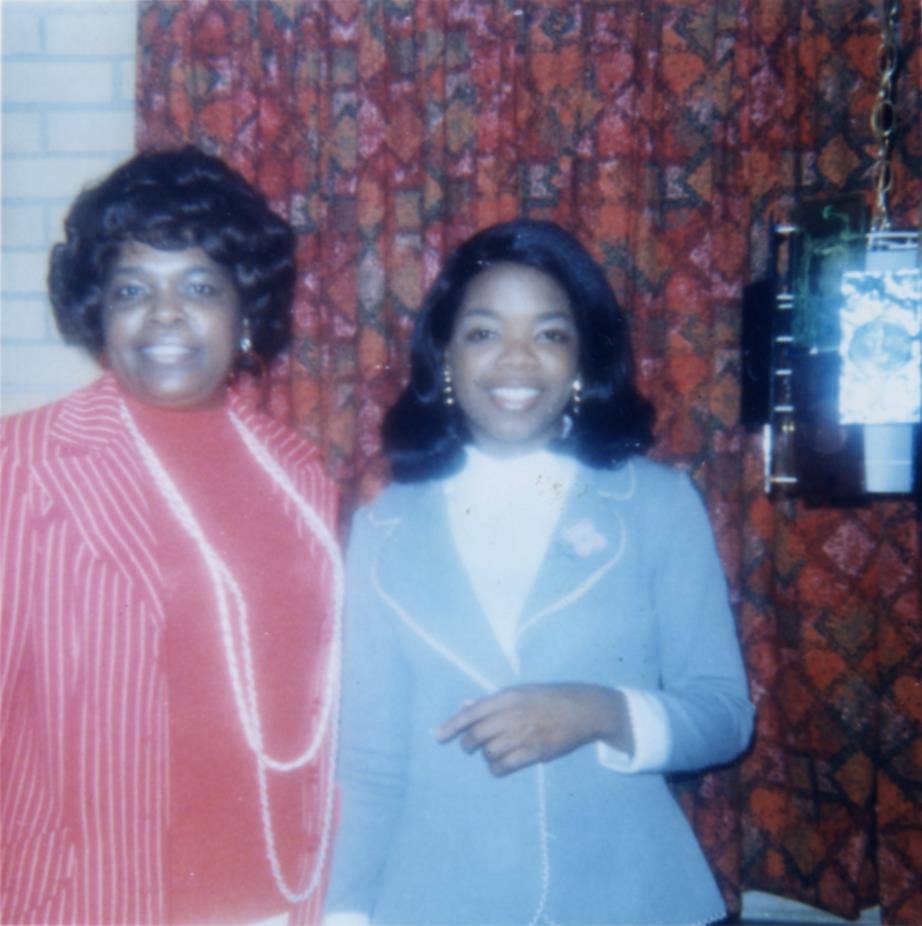
That sense of isolation only deepened when she later moved to Milwaukee to live with her mother. Instead of finding comfort, she recalled feeling unwanted and alone. In one particularly haunting memory, she described being made to sleep outside on a porch the very night she arrived—an experience that left her terrified and overwhelmed.
Despite hoping for protection, Winfrey said her mother did not intervene. That moment, she explained, reinforced a painful lesson about disappointment and self-reliance at a very young age.
Life with her mother remained difficult. Financial struggles meant there was little time for emotional support, and Winfrey often felt like a burden rather than a child being nurtured. The absence of affection, she said, made it difficult for her to fully understand love later in life.
In later interviews, including an appearance on The Dr. Oz Show, Winfrey revisited specific memories of the abuse. One incident involved being punished after playing with drinking water as a child—an act that led to a severe beating. She recalled the physical aftermath vividly, including injuries that reopened while she was getting dressed.
Her story also includes traumatic moments she witnessed within her household. She described a frightening night when her grandfather attacked her grandmother, forcing both of them to flee their room. Afterward, they took precautions to protect themselves, living in fear of another violent episode.
Winfrey has also spoken in the past about additional abuse she suffered later in childhood, including sexual assault by individuals she trusted—events that compounded the emotional toll she carried for years.
Despite these challenges, her story is not defined solely by pain.

Through years of reflection, therapy, and personal growth, Winfrey has worked to understand and heal from her past. She now hopes that sharing her experiences will encourage others to shift the conversation around trauma—focusing less on judgment and more on understanding.
Her journey, she says, is a testament to the power of resilience. While the scars of her childhood remain part of her story, they no longer control it.