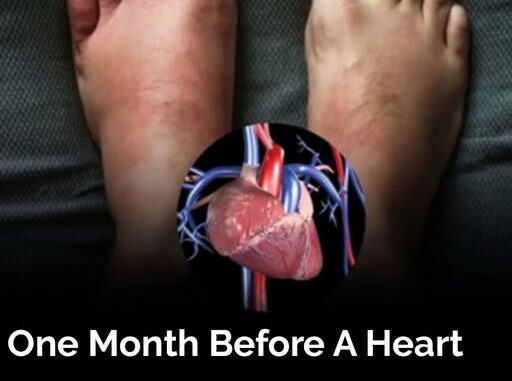
A heart attack is often thought of as a sudden and dramatic medical emergency. Yet in many cases, the body begins sending quiet warning signals weeks before the event occurs. These early symptoms are frequently mistaken for stress, fatigue, indigestion, or everyday discomfort—but recognizing them early could make a life-saving difference.
According to the Centers for Disease Control and Prevention, heart disease remains the leading cause of death worldwide. The agency notes that someone dies from cardiovascular disease roughly every 33 seconds in the United States alone.
A heart attack—medically known as a Myocardial Infarction—occurs when blood flow to a portion of the heart muscle becomes blocked. Without oxygen-rich blood, that section of heart tissue begins to suffer damage. The longer the delay in restoring circulation, the greater the injury to the heart.
However, research published in the National Library of Medicine suggests that some people experience warning symptoms up to a month before a heart attack occurs. Understanding these signals may give individuals time to seek medical care before the condition becomes life-threatening.
Below are several common warning signs that may appear in the weeks leading up to a heart attack.
Unusual or Extreme Fatigue
Feeling tired after a busy day is normal. But unexplained exhaustion—especially when it appears suddenly or becomes overwhelming—can sometimes signal a developing heart problem.
Many patients, particularly women, report feeling unusually drained weeks before a heart attack.
Warning signs may include:
- Feeling exhausted even after a full night of sleep
- Becoming extremely tired after routine tasks such as walking or climbing stairs
- Fatigue that does not improve with rest
Because this symptom can easily be mistaken for stress, overwork, or poor sleep, it is often overlooked.
Shortness of Breath
Sudden difficulty breathing can be another early warning signal. When the heart struggles to pump effectively, oxygen circulation can be affected, making breathing feel labored.
Chest Discomfort or Pressure
Chest pain is the symptom most people associate with heart attacks, but it doesn’t always appear as intense or crushing pain.
Instead, it may feel like:
- Mild pressure or squeezing in the chest
- Tightness that comes and goes
- Discomfort similar to severe indigestion
The Mayo Clinic notes that heart-related chest pain can sometimes resemble heartburn or acid reflux, which is why many people delay seeking help.
Pain in the Upper Body
Heart attack pain does not always remain in the chest. In many cases—especially for women—the discomfort spreads to other areas.
Possible locations include:
- The back
- The neck
- The jaw
- One or both shoulders
- One or both arms
This pain may feel dull, aching, or intermittent and is sometimes mistaken for muscle strain or arthritis.
Nausea, Indigestion, or Stomach Pain
Digestive symptoms can also accompany heart problems. Because they resemble food poisoning or stomach illness, people often dismiss them.
Possible locations include:
- The back
- The neck
- The jaw
- One or both shoulders
- One or both arms
This pain may feel dull, aching, or intermittent and is sometimes mistaken for muscle strain or arthritis.
Nausea, Indigestion, or Stomach Pain
Digestive symptoms can also accompany heart problems. Because they resemble food poisoning or stomach illness, people often dismiss them.
Listen to Your Body
Heart attack warning signs often appear subtly and may be easy to dismiss. However, when several symptoms appear together—or when something simply feels unusual—it is important to seek medical advice immediately.
Early detection can significantly improve outcomes and reduce the damage caused by a heart attack.
If you or someone you know experiences sudden chest discomfort, breathlessness, or multiple symptoms described above, contacting a healthcare provider or emergency services promptly could save a life.
Sometimes the body whispers before it screams. Listening to those whispers can make all the difference.