On April 16, 2007, Virginia Tech professor Liviu Librescu tragically died during the worst school shooting in U.S. history — after saving the lives of 22 students.
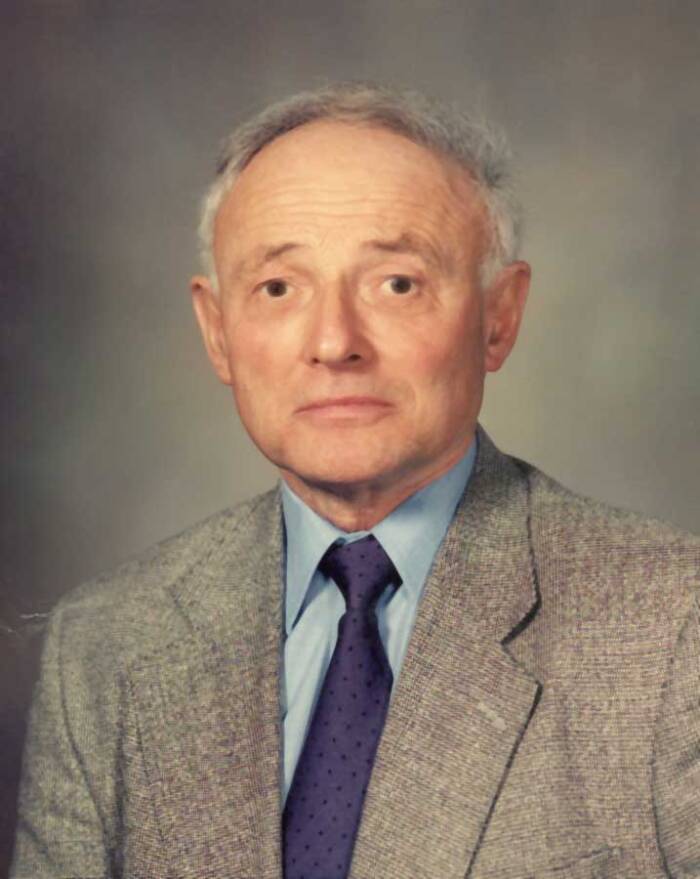
Virginia Polytechnic Institute and State UniversityProfessor Liviu Librescu, the Romanian American engineer and teacher who died protecting his students at Virginia Tech.
Liviu Librescu’s life was bookended by tragedy. As a Jewish child in Romania during World War II, Librescu was forced to grow up in a labor camp and a ghetto at the height of the Holocaust.
He survived, however, and went on to study aerospace engineering. When he refused to swear allegiance to the regime of Nicolae Ceauşescu, a communist leader of Romania, it nearly ended Librescu’s career. Luckily, a smuggled manuscript that he published in the Netherlands garnered international attention, and Librescu found new opportunities in Israel.
Librescu first got a job at Tel Aviv University as a professor of aeronautical and mechanical engineering before leaving on sabbatical for the United States. There, he eventually took a new job with the Virginia Polytechnic Institute and State University in Blacksburg, Virginia.
It was a good life, one that was well earned. Liviu Librescu had a brilliant mind and reportedly published more articles than any other professor at Virginia Tech. But on April 16, 2007, one of the worst tragedies in modern American history robbed 32 innocent people of their lives.
That day, the day of the Virginia Tech shooting, gunman Seung-Hui Cho entered the Norris Hall Engineering Building and opened fire on classrooms. Librescu was teaching in Room 204. As Cho approached, Librescu yelled for his students to escape through the room’s windows, and physically blocked the door, even as Cho began firing his weapon.
Thanks to Liviu Librescu, all but one of his students made it out of the classroom alive. Tragically, Librescu did not survive.
Liviu Librescu’s Life Growing Up In Nazi-Allied Romania During World War II
Liviu Librescu was born on August 18, 1930, to a Jewish family in Ploieşti, Romania. When Librescu was still a young child, Romania allied itself with Nazi Germany and joined the Axis powers in 1940.
That year, Ion Antonescu assumed full control of the country and ordered the Romanian military to invade the Soviet Union. Around the same time, Antonescu, following Adolf Hitler’s lead, ordered that thousands of Romanian Jews should be murdered or placed in labor camps or ghettos. Librescu’s family was first sent to a labor camp and then a ghetto in Focsani.
“We were in Romania during the Second World War, and we were Jews there among the Germans, and among the antisemitic Romanians,” Librescu’s wife Marlena recalled, according to the Associated Press.
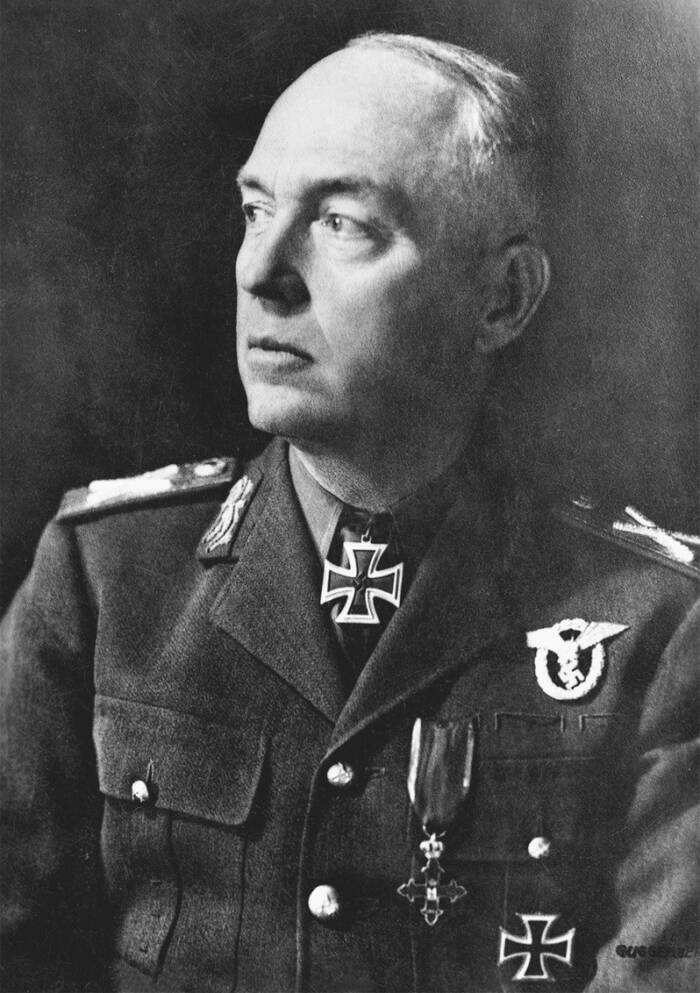
Public DomainIon Antonescu, the Romanian dictator who allied the country with the Nazis.
Liviu Librescu and his future wife Marlena survived the horror and bloodshed, but many other Romanian Jews were not so fortunate.
Between 280,000 and 380,000 Romanian and Ukrainian Jews were killed by Nazi-allied Romania during World War II, according to a 2004 report issued by an international panel. The report concluded:
“Of all the allies of Nazi Germany, Romania bears responsibility for the deaths of more Jews than any country other than Germany itself. The murders committed in Iasi, Odessa, Bogdanovka, Domanovka, and Peciora, for example, were among the most hideous murders committed against Jews anywhere during the Holocaust. Romania committed genocide against the Jews. The survival of Jews in some parts of the country does not alter this reality.”
Following the Soviet occupation of the country, a coup orchestrated by King Michael of Romania deposed Antonescu and shifted Romanian allegiance to the Allied forces. But continued Soviet occupation following the war also proved to be a problem for King Michael, as it soon became clear that Romania was nearing a communist government of its own.
In December 1947, the king was forced to abdicate his throne.
Amidst the country’s communist government, Librescu became a successful engineer, but a new regime later forced him to leave the country.