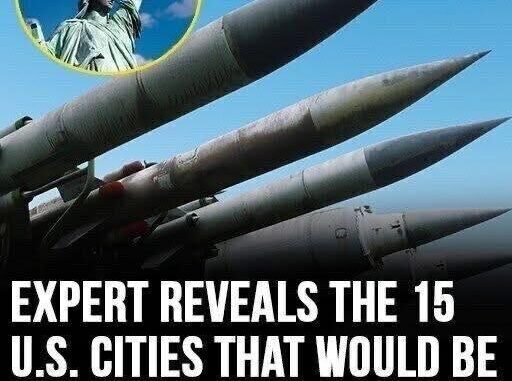
In the rapidly evolving landscape of today, global news can swiftly generate feelings of uncertainty. Political conflicts, changing alliances, and intense rhetoric frequently dominate the news cycle, influencing public perception of international occurrences.
Nevertheless, amidst the clamor, numerous experts emphasize that global institutions and diplomatic avenues continue to provide a stabilizing influence. The economic interdependence among countries also serves as a significant motivator to prevent serious disruptions.
While conflicts between nations are prominently visible, collaboration persists in sectors such as trade, climate initiatives, technology, and security. Much of this cooperation occurs discreetly and seldom garners the same level of attention as disputes.
Public anxiety tends to escalate when events seem abrupt or sensational. However, historical patterns indicate that international relations often progress through cycles of tension, followed by reassessment and renewed discussions.
Conversations regarding defense strategies or geopolitical maneuvers do not inherently indicate an impending conflict. In many instances, they represent long-term strategic planning rather than immediate dangers.
Policymakers generally function within established frameworks aimed at minimizing escalation. Treaties, multinational entities, and enduring partnerships act as safeguards that promote dialogue even during challenging times.
Security experts often point out that deterrence strategies are designed to avert aggression, not incite it. Advanced defense mechanisms and alliances are typically perceived as instruments for sustaining equilibrium and discouraging hostilities.
Although analysts may delve into potential risks, these discussions are predominantly grounded in preparedness and risk assessment. In spite of phases of uncertainty, nations remain intricately linked through trade, cultural exchanges, and common global challenges — bolstering resilience rather than leading to disintegration.